
When franchisees do nothing with marketing, it is rarely down to unwillingness. Usually they have no time, they do not know what works, or they think head office takes care of it. The solution is not more rules but less work for them: handle the basics centrally, ask only for what they alone can provide, and show them what it delivers.
In brief: franchisees who do nothing with marketing
- Franchisees usually do nothing with marketing because of a lack of time, uncertainty or the belief that head office takes care of it.
- Forcing them works poorly; making the work as small as possible works well.
- Handle the basics for each location centrally, so every location is visible, even if the franchisee does nothing.
- Only ask franchisees for what they alone can provide: photos, local news and customer contact.
- Show results per location; figures motivate more than rules.
- Use active franchisees as an example for the rest.
Why do franchisees do nothing with marketing?
In our conversations with franchise brands we keep hearing the same causes. They are understandable, and each one calls for a different solution.
| Cause | What you hear | Solution |
|---|---|---|
| Lack of time | I'm in the shop all day | Carry out the work centrally, only ask for input |
| Uncertainty | I don't know what works or what's allowed | Templates, short training, a single point of contact |
| Wrong expectations | That's what I pay the marketing fee for | A clear division of tasks in the operations manual |
| No visible results | It doesn't deliver anything anyway | Show each location its own figures |
| Bad experience | Last time the campaign didn't suit my town | Local variants and a menu of options |
Step 1: handle the basics centrally, even without the franchisee
Every location must be findable, even if the franchisee does nothing. That means a complete Google Business Profile, answered reviews, a location page and correct opening hours. You arrange those basics centrally, from the marketing fund. That way no location falls behind online because the owner is busy. This is the core of central control with local freedom.
Step 2: keep what you ask of franchisees as small as possible
Only ask for what the franchisee alone can provide: photos of the team and premises, local news, an event or sponsorship, and attention for customers in store. Make submitting easy, for example via WhatsApp. A few photos a month is enough to turn into local content.
| Do ask | Don't ask |
|---|---|
| A few photos a month via WhatsApp | Designing posts themselves |
| Local news in three sentences | Keeping a content calendar |
| Asking customers for a review | Answering reviews themselves |
| Passing on changed opening hours | Logging in to the Google Business Profile |
Step 3: show results per location
Figures motivate more than rules. Give every franchisee their own figures each month: how often the location was found, how many people called or requested directions, how many reviews came in. Put them alongside the franchise brand's average. In our experience, that is the moment passive franchisees start asking what they can do themselves. You can read how to measure this in calculating ROI per franchise location.
Step 5: use active franchisees as an example
Every franchise brand has locations that are doing well. Show what they do and what it delivers, at a franchise day or in a newsletter. Peers convince peers better than head office does. Organise a short workshop on the Google Business Profile and reviews, given by someone who knows the trade. Read more about support under a marketing manual and brand portal.
When is outsourcing the best solution?
When your team lacks the capacity to support franchisees and handle the basics itself. An agency takes over central delivery and becomes the point of contact for franchisees' marketing questions. Your team stays in control. You can read the trade-off in doing it yourself versus outsourcing.
How do you have the conversation with a passive franchisee?
Do not start with what they are not doing, but with their figures and their goals. Show how their location is found online compared with colleagues, and ask where they see opportunities themselves. Then offer one concrete, small step, such as five photos a month via WhatsApp or actively asking customers for a review. Agree when you will look at the figures together again. In our experience, a half-hour conversation using their own figures works better than any group email, because the franchisee sees that it is about their turnover and not about rules from head office.
Who is behind this approach for franchisees who do nothing with marketing?
The approach on this page comes from our team's day-to-day practice. Gijs Bodenstaff built a franchise brand himself and therefore knows both sides: the head office that protects the brand and the location that has to attract customers with it. With Stanley Leijnse (chair of Stichting LODAK) he analysed 500 Google Business Profiles of the 100 largest Dutch franchise chains. Angela, Elisabeth, Peter and ten trained freelancers carry out the work per location, using one method and with weekly training on changes at Google.
Read more about the team: the people behind this agency; the author's background can be found under Gijs Bodenstaff.
Frequently asked questions: franchisees who do nothing with marketing
What is the minimum time a franchisee should spend on marketing?
Can you oblige franchisees to do marketing?
What should a franchisee do at a minimum for local marketing?
How do you motivate franchisees for marketing?
What if a franchisee does the wrong kind of marketing themselves?
Does training franchisees help?
Does the marketing fee have to go up if we handle the basics centrally?
Why do franchisees do nothing with marketing?
How do you have the conversation with a passive franchisee about marketing?
Does a menu of local campaigns work better than mandatory marketing for franchisees?
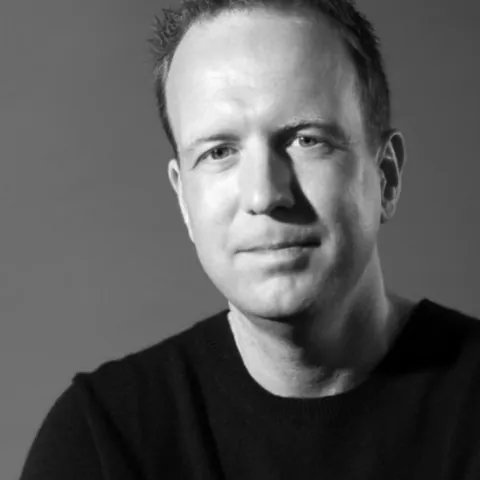
Gijs Bodenstaff
Franchise marketer, local SEO and GEO specialist, author
Curious what this could deliver for your franchise brand? Request the free scan of three locations.