
The hybrid marketing model is a way of working in which the head office of a franchise brand keeps control of brand, quality and data, while franchisees are given room for local touches. It resolves the familiar tension between a strong national brand and locations that need to attract customers locally. Almost every franchise brand we speak to is looking for exactly this balance: central control, local freedom.
Central control in brief
- The hybrid marketing model combines central control of brand and quality with local freedom for franchisees.
- Central: brand, house style, accounts, standards, budget rules and reporting.
- Local: stories, offers, photos, events and contact with customers in the area.
- The basics for every location are arranged centrally; the location chooses extra local activities from a menu.
- The model only works with clear agreements in the franchise manual and one report per location.
- We carry out the central part and support franchisees with the local part.
What tension does the hybrid model resolve?
With fully centralised marketing, franchisees do not feel seen: the campaigns do not suit their town, and they have no influence. With fully local marketing, the brand fragments: every location has its own style, its own ads and there is no overview. Both extremes cost customers. The hybrid model chooses the right level for each task.
| Model | Advantage | Disadvantage |
|---|---|---|
| Fully centralised | Strong, consistent brand | Little local relevance, little support from franchisees |
| Fully local | Local engagement | Fragmented brand, no economies of scale |
| Hybrid | Brand and local relevance combined | Requires clear agreements and execution |
What do you arrange centrally and what locally?
As a rule of thumb: everything that affects the brand or offers economies of scale is arranged centrally. Everything that requires local knowledge is done or supplied by the location, within central frameworks.
| Task | Central (head office and agency) | Local (franchisee) |
|---|---|---|
| Brand, house style, campaigns | Owner | Follows |
| Google Business Profiles | Owner and management | Supplies photos and news |
| Location pages | Build and standard | Local content |
| Reviews | Tone and process | Invites customers, resolves issues locally |
| Local offers and events | Templates and rules | Chooses and organises |
| Advertising | Structure and brand campaigns | Can add local budget |
| Reporting | One report per location | Own figures and comparison |
No time or expertise in-house? Leave your franchise marketing to us.
How do you formalise the hybrid model?
In the franchise manual, not just in the agreement. A manual is easier to adjust when channels change, and in online marketing that happens every year. Discuss changes in advance with the franchisee advisory council, so there is support for them. Also set out how the marketing budget is split between central and local; that is covered in splitting the marketing budget.
How do you measure whether the hybrid model is working?
With one report in which every location has the same KPIs, plus an overview for the franchise brand. You can then see whether the central basics are in order everywhere, and which locations are making good use of their local freedom. You use those locations as an example for the rest.
| Level | KPI |
|---|---|
| Brand | Franchise brand visibility, brand searches, AI mentions |
| Basics per location | Profile completeness, review response time, NAP consistency |
| Local result | Calls, directions, leads and reservations per location |
| Local activity | Menu items used and local content |
Who carries out the hybrid model?
Your own team can handle the central part, but it takes a lot of capacity. We take over the central part and act as the point of contact for franchisees for the local part. That keeps your team focused on strategy and brand. You can read the full trade-off under outsourcing your franchise marketing; how to combine national and local online activity is covered in splitting budget between head office and locations.
What does the hybrid model look like for a franchise brand with thirty locations?
Head office determines the brand and the national campaigns. We manage the Google Business Profile, the reviews and the location page for all thirty locations, according to one standard. In addition, each location chooses every quarter from a menu of local activities, such as an event or an extra ad campaign in its own neighbourhood. Franchisees send in photos and news via WhatsApp. In the monthly report, head office can see whether the basics are in order everywhere, and every franchisee sees their own results alongside the average. The franchisee advisory council evaluates the menu twice a year.
Who is behind this approach to central control?
The approach on this page comes from our team's day-to-day practice. Gijs Bodenstaff built up a franchise brand himself and therefore knows both sides: the head office protecting the brand and the location that has to attract customers with it. With Stanley Leijnse (chair of Stichting LODAK), he studied 500 Google Business Profiles of the 100 largest Dutch franchise chains. Angela, Elisabeth, Peter and ten trained freelancers carry out the work per location, using one method and with weekly training on changes at Google.
You can read more about the team about Franchise-Marketing.nl; the author's background is on the page about Gijs Bodenstaff.
Frequently asked questions about central control
What is the role of the franchisee advisory council in the hybrid model?
What is a hybrid marketing model in franchising?
What does central control with local freedom mean?
Why does a menu of options work better than rules?
Where do you formalise the hybrid model?
Does the hybrid model suit every franchise brand?
How do you get started with the hybrid model?
Who manages the Google Business Profiles in the hybrid marketing model?
What are the drawbacks of fully central or fully local franchise marketing?
How does the hybrid marketing model work for a brand with thirty locations?
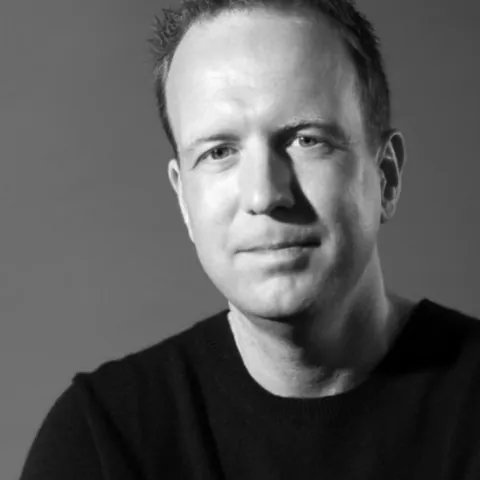
Gijs Bodenstaff
Franchise marketer, local SEO and GEO specialist, author
Curious what this could deliver for your franchise brand? Request the free scan of three locations.